


AI Debt Recovery for Small Businesses: 2025 Guide
AI debt recovery for small businesses in 2025 involves using machine learning and automation to streamline credit control, predict payment delays, and execute personalized follow-ups. By replacing manual outreach with data-driven workflows, businesses can recover revenue faster, reduce overhead, and maintain healthier cash flow cycles without damaging sensitive client relationships.
What is AI-powered debt recovery?
AI-powered debt recovery is a technological shift from reactive collection to proactive credit management. Unlike traditional methods that rely on spreadsheets and manual phone calls once an invoice is already overdue, artificial intelligence monitors payment patterns in real-time. It uses sophisticated algorithms to categorize debtors based on their likelihood to pay, allowing businesses to tailor their communication strategies accordingly. For a small business in South Africa, this means having a virtual credit controller that never sleeps, ensuring that every outstanding Rand is accounted for and pursued with precision.
In the context of 2025, these systems have evolved into "Business Debt Co-Pilots." They don't just send emails; they analyze the sentiment of responses, suggest the best time of day to send a reminder, and even automate the legal escalation process when necessary. This level of sophistication was once reserved for large corporations with massive finance departments, but AI has democratized these tools, making high-level recovery strategies accessible to entrepreneurs and small finance teams.
The limitations of manual credit control
Many small businesses still operate on a manual credit control cycle. This typically involves an owner or bookkeeper spending several hours a week checking bank statements against invoices, identifying who hasn't paid, and sending manual emails. This process is inherently flawed for three main reasons: it is time-consuming, prone to human error, and emotionally draining.
When a business owner has to personally call a long-term client to ask for money, it can create friction. Furthermore, manual systems lack the data depth to identify why a client is paying late. Is it a temporary cash flow hiccup, or a systemic sign of impending insolvency? Without AI-driven insights, businesses often wait too long to escalate, by which time the chances of recovery have dropped significantly. Moving away from these manual hurdles is the first step toward building a resilient financial ecosystem that supports sustainable growth.
How does AI improve recovery rates in 2025?
AI significantly boosts recovery rates by removing the "friction of effort" and replacing it with "precision of action." In the current economic climate, speed is the most critical factor in debt collection. The older a debt gets, the less likely it is to be paid in full. AI systems tackle this by ensuring that reminders are sent the moment an invoice becomes overdue—or even a few days before as a friendly nudge.
Here are five ways AI improves recovery outcomes for small businesses:
- Behavioral Analysis: AI identifies which communication channels (email, SMS, or WhatsApp) a specific client is most likely to respond to.
- Automated Escalation: Systematically moves from gentle reminders to formal letters of demand without manual intervention.
- Smart Scheduling: Reminders are sent at times when recipients are most likely to be at their desks and handling finances.
- Risk Scoring: Assigns a risk profile to each client, allowing you to tighten credit terms for high-risk accounts before they become a problem.
- Reduced Disputes: AI can automatically attach original invoices and delivery notes to every reminder, eliminating the common "I never received the invoice" excuse.
Key features of modern AI debt co-pilots
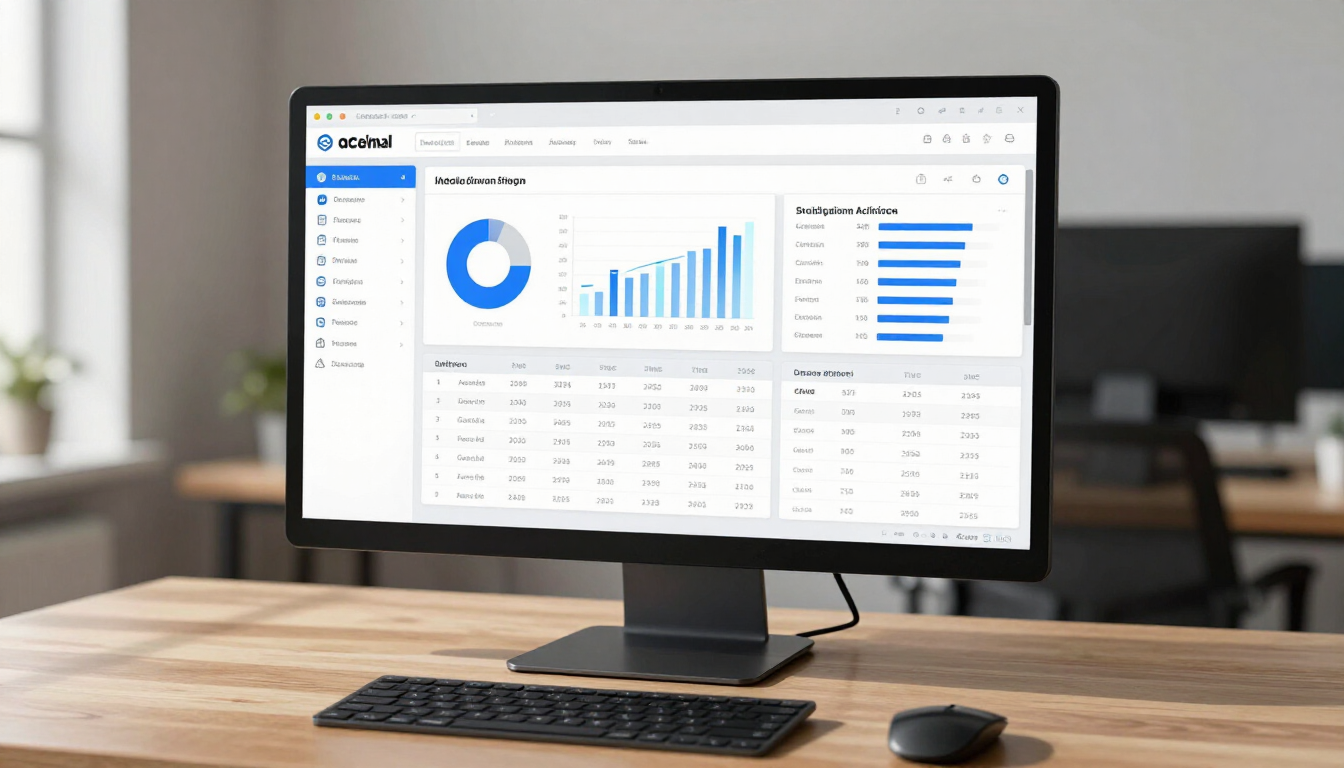
A modern AI debt co-pilot, such as the solution offered by 6ELA, is designed to be an extension of your finance team. It isn't just a software tool; it’s a strategic partner. One of the standout features is the integration of AI-driven sentiment analysis. The system can read a client's reply—for instance, an email stating they will pay "next Friday"—and automatically schedule a follow-up for that specific date to verify the payment. This prevents promises from falling through the cracks.
Another essential feature is the seamless link between recovery and legal action. In 2025, the best tools allow small businesses to trigger legal escalations with a single click. If the AI determines that standard collection efforts have failed, it can prepare the necessary documentation for professional recovery services or legal practitioners. This ensures that your business stays at the front of the queue when a debtor is deciding which of their own creditors to pay first.
Can AI help maintain positive client relationships?
One of the most common fears small business owners have regarding automated debt collection is that it will feel cold or aggressive, potentially alienating good clients who are just having a bad month. However, the reality is quite the opposite. AI allows for a level of personalization and consistency that manual follow-ups often lack. Because the AI is consistent and objective, it removes the "personal" tension from the request.
Furthermore, AI debt recovery tools allow you to segment your clients. You can set "VIP" rules for your most loyal customers, ensuring they receive more flexible, softer messaging, while new or high-risk clients receive a more structured and firm approach. This nuanced strategy ensures that you are protecting your cash flow without burning bridges. You can read more about these strategies in our latest blog posts covering client management.
The role of predictive analytics in cash flow
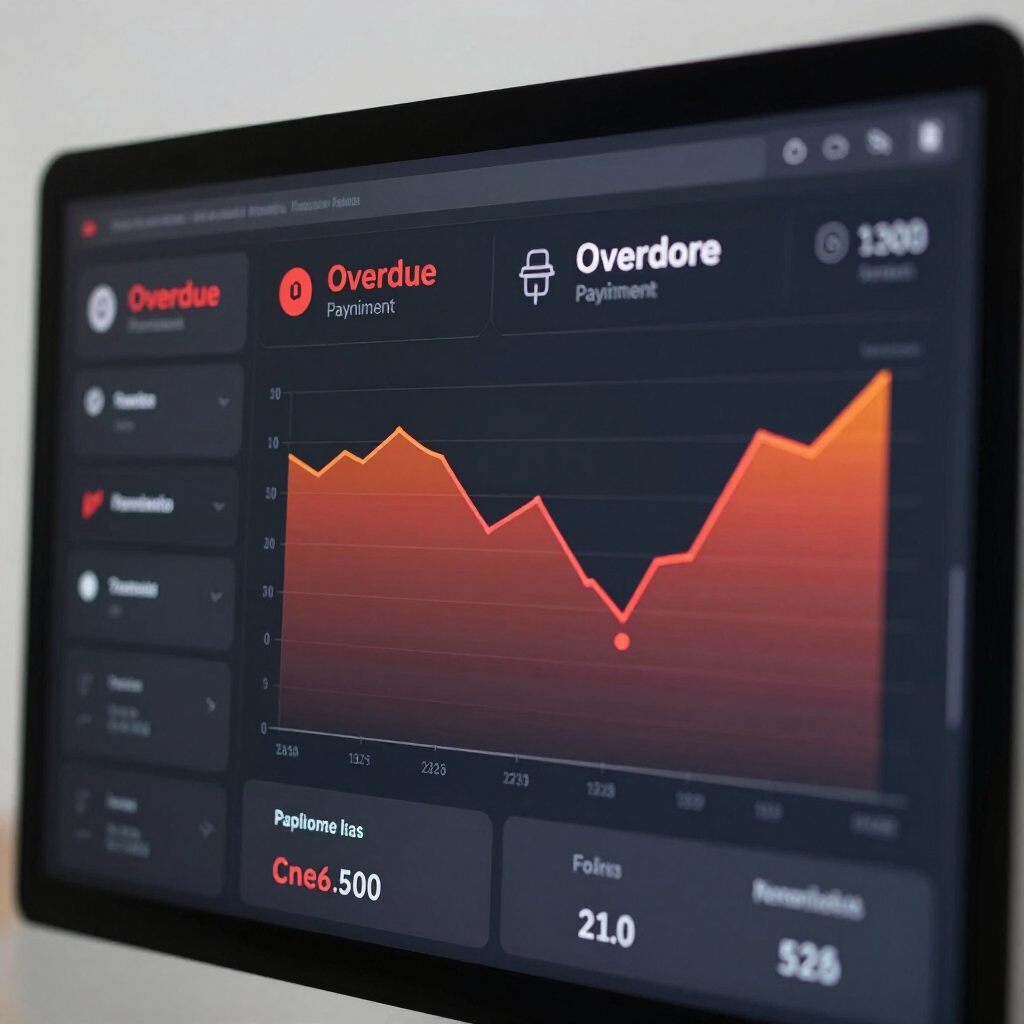
Predictive analytics is the "crystal ball" of modern finance. By looking at historical data across thousands of transactions, AI can predict your future cash flow with remarkable accuracy. It can tell you, for example, that while your total accounts receivable is R500,000, you are only likely to receive R420,000 by the end of the month based on current debtor behavior.
This foresight is invaluable for small businesses planning their next big move. Whether you are looking to hire new staff, invest in equipment, or expand your service area in South Africa, knowing exactly how much cash you will have on hand allows for confident decision-making. Predictive insights transform debt recovery from a chore into a strategic advantage, giving you the clarity needed to scale your operations.
How to choose the right AI debt recovery tool?
When selecting an AI tool for your business, you should look for three core components: integration, ease of use, and local relevance. First, the tool must integrate seamlessly with your existing accounting software (like Xero, Sage, or QuickBooks). If you have to manually export and import data, you are losing the time-saving benefits of AI. Second, the user interface should be intuitive. A "Business Debt Co-Pilot" should simplify your life, not add a new layer of technical complexity.
Finally, for businesses operating in South Africa, it is vital that the tool understands local regulations and business culture. This includes compliance with POPIA (Protection of Personal Information Act) and alignment with local legal recovery frameworks. A tool that is purpose-built for the local market will always outperform a generic global solution because it accounts for the specific challenges and payment behaviors of South African consumers and businesses.
Steps to integrate AI into your credit control
Transitioning to an AI-driven model doesn't have to happen overnight. You can start by automating the most basic parts of your workflow and gradually increase the AI's autonomy as you become more comfortable with the system.
- Audit your current process: Identify where the bottlenecks are. Is it the initial reminder, the follow-up phone call, or the legal handover?
- Clean your data: Ensure your client contact information and invoice records are up to date in your accounting software.
- Define your workflows: Set clear rules for when reminders should be sent and when the AI should alert you to take manual action.
- Connect your co-pilot: Integrate 6ELA with your finance system to begin the real-time analysis of your ledger.
- Monitor and Adjust: Review the AI’s performance monthly to see how your Days Sales Outstanding (DSO) has improved and tweak your messaging for better results.
Conclusion: The Future of Small Business Finance
In 2025, AI is no longer a luxury for small businesses; it is a necessity for survival in a competitive landscape. AI debt recovery transforms a reactive, stressful process into a streamlined, automated engine that drives cash flow. By leveraging predictive insights and automated workflows, you can ensure that your business remains liquid and ready for growth. The key takeaway for entrepreneurs is clear: automate the routine so you can focus on the exceptional.
Key Takeaways:
- AI reduces manual labor by automating the entire credit control lifecycle.
- Predictive analytics provide a clear picture of future cash flow, enabling better planning.
- Personalized, automated communication maintains client relationships while ensuring timely payments.
- Seamless legal escalation ensures that no debt is left unrecovered.
Ready to reclaim your time and secure your cash flow? Contact our team today to learn how 6ELA can serve as your Business Debt Co-Pilot.