
Why Late Payments Kill Small Business Cash Flow (5 Ways)
Late payments disrupt small business cash flow by creating a dangerous gap between operational expenses and realized revenue. This liquidity crunch restricts growth, prevents timely reinvestment, and often leads to business insolvency. Effective credit control and automated recovery are essential for maintaining the financial health of modern enterprises.
How do late payments affect small business cash flow?
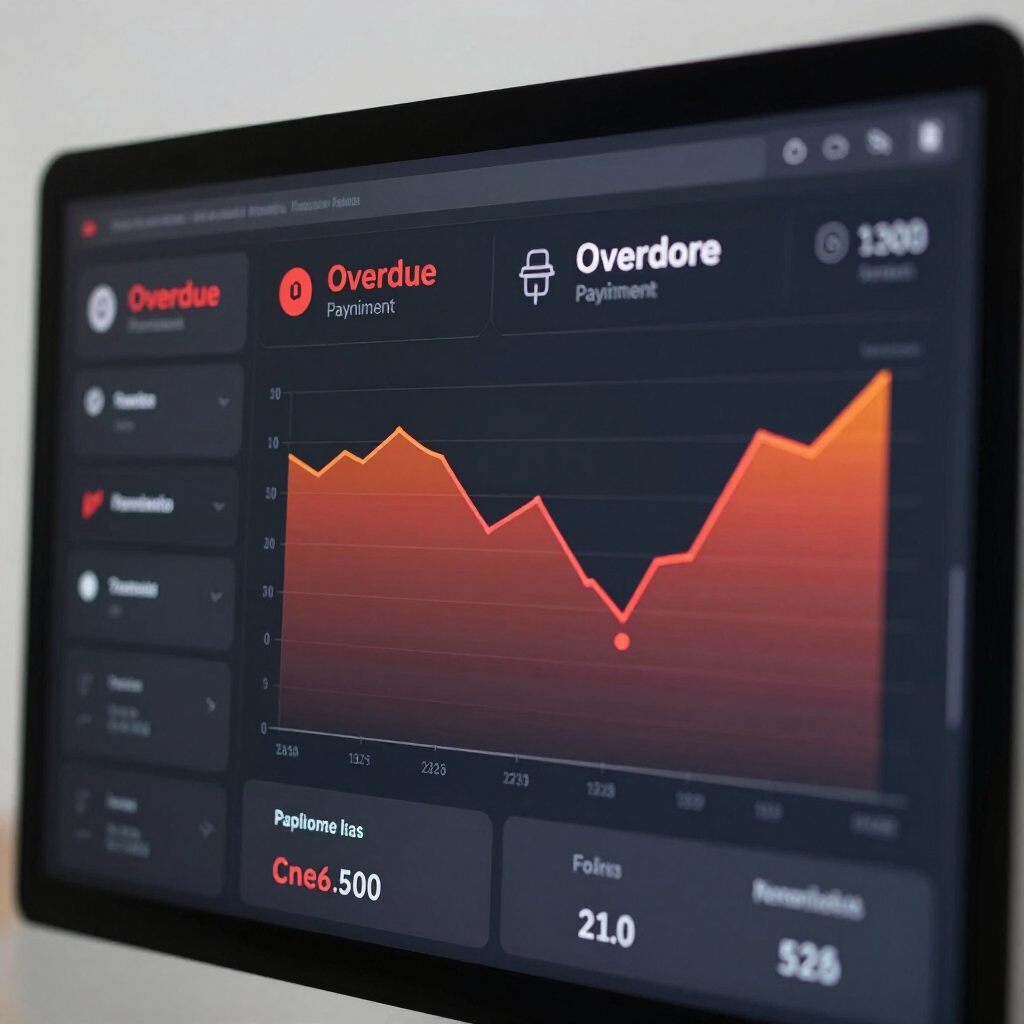
For many small business owners, the concept of a "paper profit" is a frustrating reality. You may have a record-breaking month in terms of sales, but if those sales are tied up in unpaid invoices, your bank account remains empty. Late payments are not merely an inconvenience; they are a structural threat to your daily operations. When cash does not arrive on time, the entire cycle of business production grinds to a halt. You might find yourself unable to pay suppliers, settle utility bills, or meet payroll obligations. This creates a domino effect where your business's creditworthiness is called into question by your own creditors.
In the context of small business cash flow, predictability is just as important as the total amount of revenue. Without a reliable schedule of inflows, budgeting becomes impossible. You cannot plan for seasonal fluctuations, and you certainly cannot set aside capital for emergency repairs or unexpected market shifts. This constant state of financial anxiety forces many entrepreneurs to focus on survival rather than innovation. Instead of looking for new clients or developing new products, they spend their valuable hours chasing debtors and juggling bank transfers.
Furthermore, the cost of funding this gap can be exorbitant. Many businesses turn to short-term loans or overdrafts to cover the shortfall caused by late payments. These financial instruments come with high-interest rates that eat directly into your profit margins. Effectively, you are paying a fee to wait for money that is already rightfully yours. This makes the late payments cash flow problem a multi-layered financial drain that compounds over time, eventually leading to a point where the business is no longer viable despite having a strong customer base.
The difference between profitability and liquidity
It is entirely possible for a company to be profitable on an income statement while being completely bankrupt in terms of cash flow. Profitability is an accounting measure—it tells you that your total sales exceed your total expenses over a specific period. However, liquidity measures your ability to pay your bills right now. Small businesses frequently fail not because they lack customers, but because they run out of cash. This distinction is vital for understanding why credit control is the backbone of any successful commercial operation.
When you extend credit to a customer, you are essentially acting as a bank. You are providing goods or services today and allowing the customer to pay at a later date. If that customer fails to honor the agreed-upon terms, your business is the one left holding the debt. This is why many South African entrepreneurs are turning to specialized tools to manage their accounts receivable. Maintaining liquidity requires a proactive approach to collections that ensures the time between invoicing and payment is as short as possible.
Why is the timing of payments more important than the amount? Even a massive payment that arrives three months late might be useless if your business goes under in month two. The timing of cash flow determines your ability to seize opportunities. If a competitor goes out of business or a new piece of equipment becomes available at a discount, you need liquid capital to move quickly. Businesses that suffer from chronic late payments are often static, unable to react to market changes because their capital is "locked" in their customers' balance sheets.
How does payment delay impact South African business growth?
In the South African economic landscape, the impact of late payments is particularly severe. Small and Medium Enterprises (SMEs) are the lifeblood of the economy, yet they face significant hurdles regarding B2B payment culture. Many larger corporations use their market power to extend payment terms unilaterally, effectively using their smaller suppliers as a source of interest-free credit. This practice places an immense burden on the SME sector, hindering job creation and overall economic expansion. When an SME is not paid on time, it cannot hire new staff or invest in the Ecosytem of local suppliers that depend on it.
Consider the following consequences of a payment-delayed environment:
- Stifled innovation due to lack of R&D funds.
- Increased reliance on expensive external debt.
- Higher employee turnover due to payroll instability.
- Reduced bargaining power with primary suppliers.
- Lowered owner morale and increased burnout.
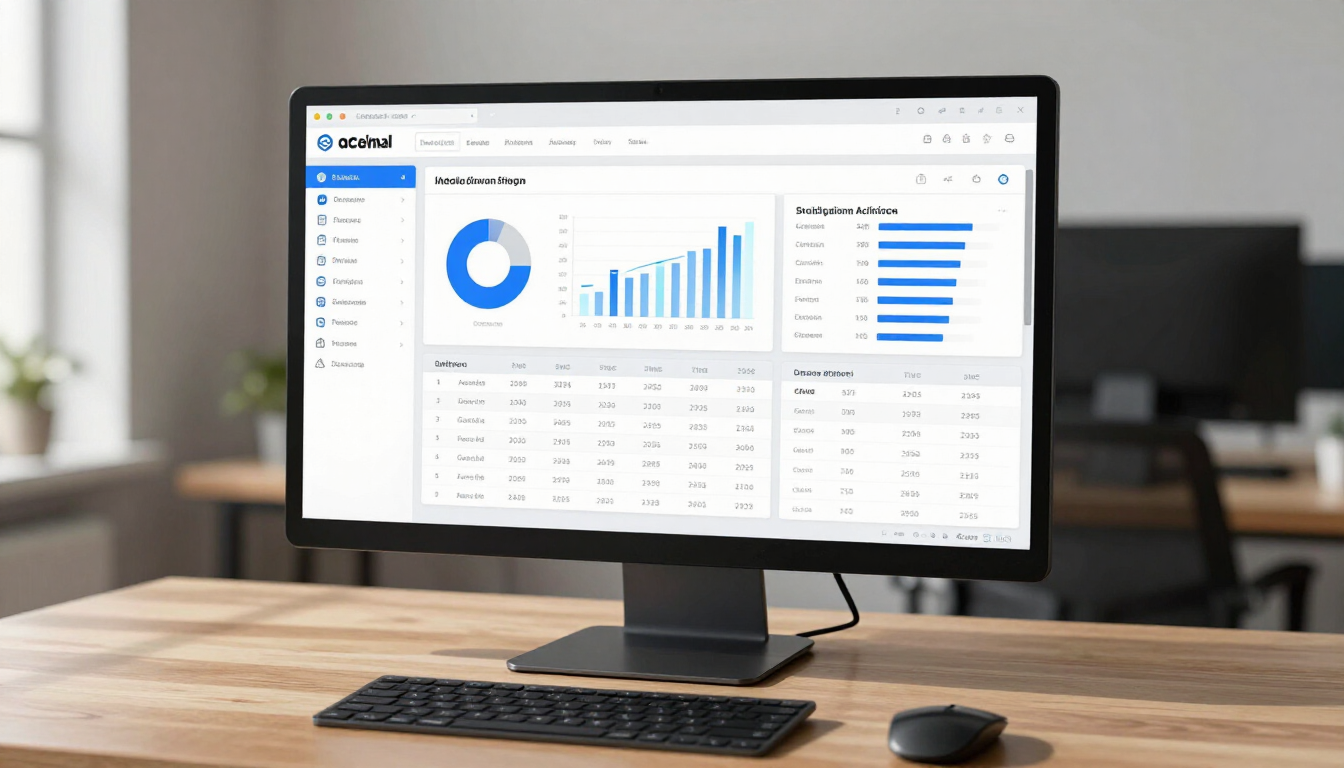
For a South African business to thrive, it must adopt a culture of zero-tolerance for late payments. This doesn't mean being aggressive with clients, but rather being professional and systematic. Using a Home page dashboard to track every invoice allows you to see exactly where your money is at any given moment. Without this visibility, you are flying blind in a storm. Growth requires a solid foundation of cash, and that foundation is built on the prompt settlement of every single invoice you issue to your clients.
The hidden costs of manual credit control
Many business owners attempt to handle debt collection manually, believing they are saving money. In reality, manual credit control is one of the most expensive ways to run a company. The time spent by an owner or a senior manager writing emails, making phone calls, and cross-referencing bank statements is time taken away from high-value activities. If your hourly rate is significant, spending four hours a week on collections costs the company thousands of Rands every month. This is a hidden tax on your productivity that most people fail to account for in their budgeting.
Manual systems are also prone to human error. Invoices get missed, follow-up emails are forgotten, and disputes are not tracked properly. This inconsistency sends a message to your debtors that you are not serious about your payment terms. When customers realize that your follow-up is sporadic, they will naturally deprioritize your invoices in favor of suppliers who have more rigorous systems in place. To solve the late payments cash flow crisis, you must move away from spreadsheets and toward integrated technological solutions.
What are the best practices for accelerating invoice recovery?
Improving your recovery rate requires a shift in strategy. It begins the moment a contract is signed, not the day an invoice becomes overdue. By setting clear expectations and utilizing modern tools, you can significantly reduce the "Days Sales Outstanding" (DSO) for your business. A professional approach to credit control builds trust with your clients, showing them that you value your own work enough to ensure it is paid for on time.
To accelerate your recovery, consider these steps:
- Send invoices immediately upon job completion.
- Offer multiple, easy-to-use payment methods.
- Automate your reminder sequence at 7-day intervals.
- Verify client contact details before the first invoice.
- Implement a clear escalation process for non-payment.
Leveraging AI and automation for debt collection
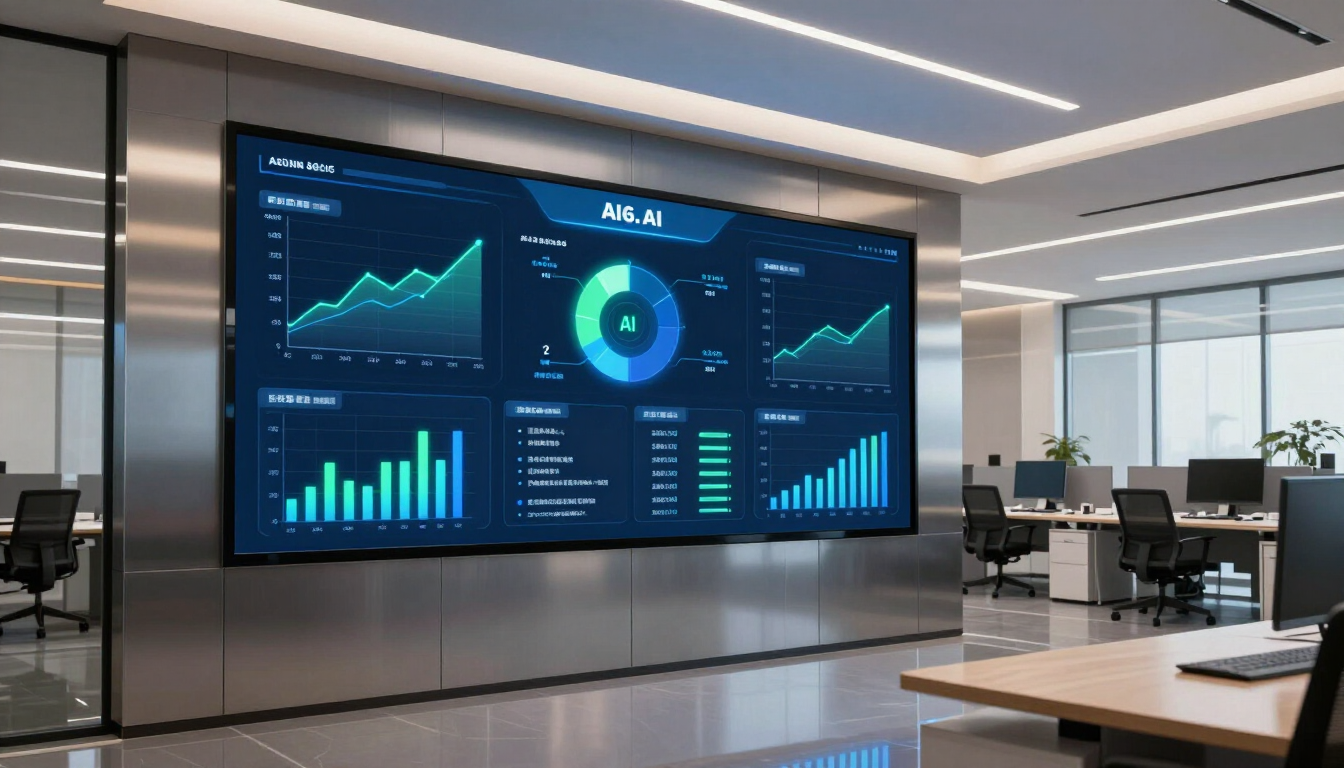
This is where 6EL∆ enters the picture as your Business Debt Co-Pilot. Our platform is specifically designed to eliminate the friction associated with accounts receivable. By fusing AI-driven insights with effortless legal escalation, we transform the way businesses handle their finances. AI can predict which customers are likely to pay late based on historical data, allowing you to intervene before the payment even becomes due. This proactive stance is the key to maintaining a healthy small business cash flow.
Automation ensures that no invoice is ever forgotten. Our system sends polite, professional reminders on your behalf, maintaining the relationship with your client while still being firm about the requirements. If a debt remains unpaid, the system can seamlessly transition into a legal recovery phase without you having to find a lawyer or fill out endless paperwork. This level of integration gives business owners the confidence to offer credit, knowing that they have a powerful co-pilot managing the risks associated with it.
How can 6EL∆ transform your accounts receivable process?
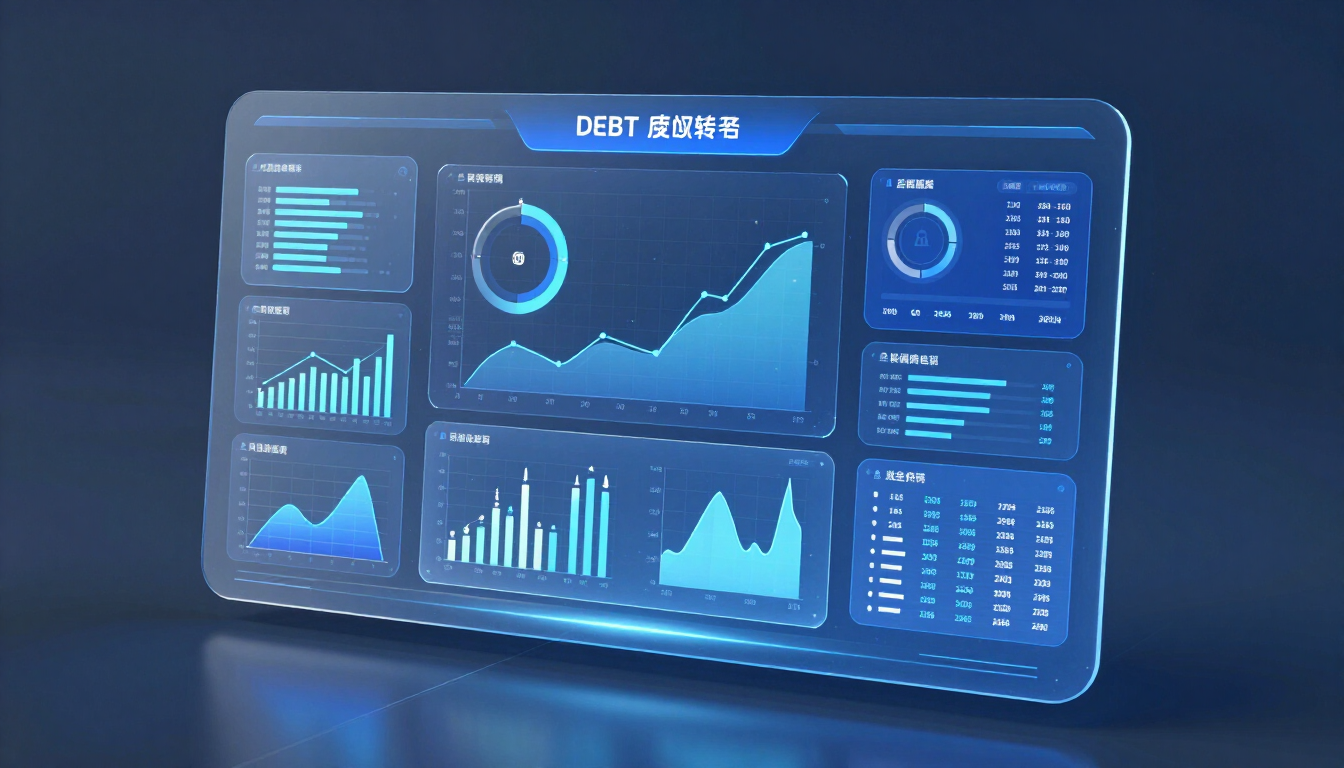
By integrating 6EL∆ into your workflow, you move from a reactive state to a controlled, data-driven environment. Whether you are an entrepreneur handling your own books or a finance executive overseeing a large team, the platform provides the clarity needed to make informed decisions. You no longer have to wonder when the next payment will arrive; you have a dashboard that tells you exactly what to expect. This visibility is the first step toward reclaiming your time and focusing on the activities that actually grow your revenue and market share.
The recovery of revenue is not just about the money; it is about the freedom to operate your business on your own terms. When you are no longer a victim of late payments cash flow issues, you can negotiate better terms with your own suppliers, invest in better talent, and provide a higher quality of service to your customers. If you are ready to take control of your financial future and stop the silent killer from draining your business, it is time to evaluate your current credit control systems and see where improvements can be made to your internal processes.
Final Takeaways for Managing Cash Flow
Managing late payments is an ongoing challenge that requires a blend of clear communication, consistent follow-up, and the right technology. By prioritizing credit control, you protect your business from the liquidity traps that claim so many promising South African SMEs. Remember that your cash flow is the oxygen of your company; without it, even the best ideas will eventually suffocate. Use the tools at your disposal to ensure that every Rand you earn actually makes it into your bank account on time.
- Prioritize Liquidity : Profit is a goal, but cash flow is a requirement for survival.
- Automate Reminders : Reduce human error and save time by letting AI handle the follow-ups.
- Set Clear Terms : Ensure every client knows exactly when and how to pay from day one.
- Use Data Insights : Leverage AI to predict payment behaviors and manage risks early.
- Escalate Professionally : Have a clear path for legal recovery to handle stubborn debtors.
If you need assistance in optimizing your collection strategy, do not hesitate to Contact our team today. We are here to help you transform your overdue invoices into recovered revenue, giving you the clarity and confidence to expand your business in any economic climate. With 6EL∆ as your co-pilot, the days of chasing late payments manually are over, allowing you to focus on what you do best: building a successful and sustainable enterprise.